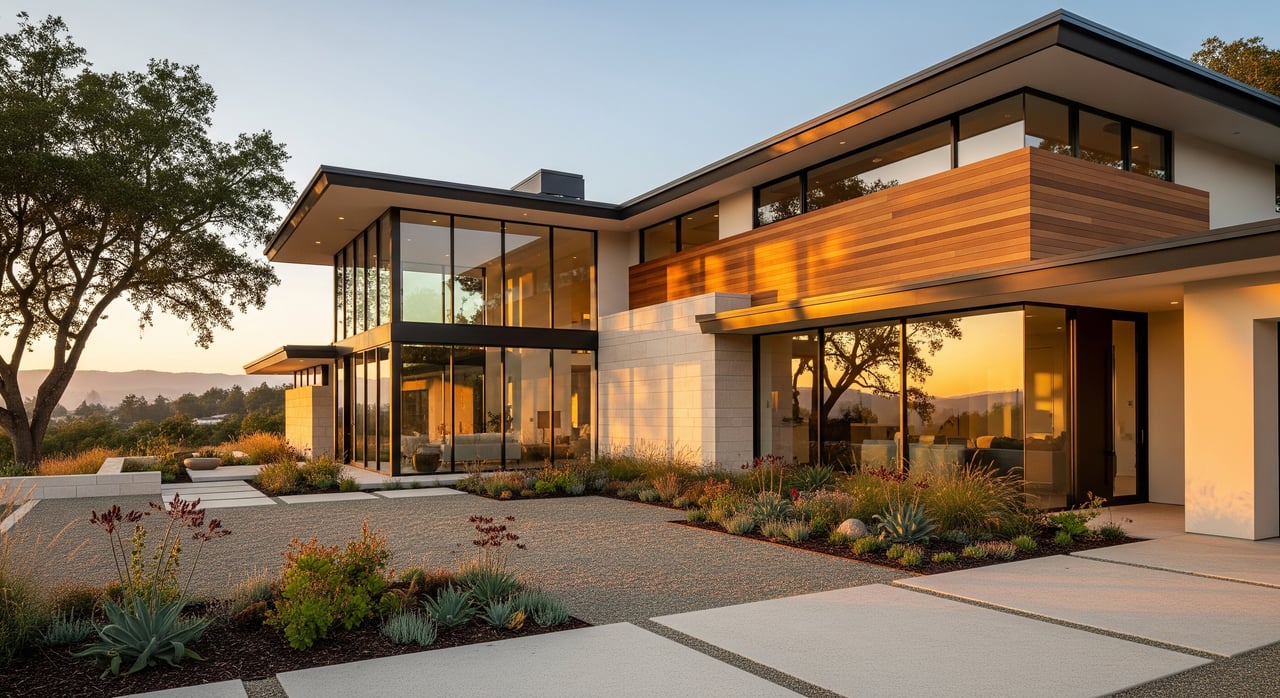
Cupertino vs Sunnyvale Buyers: A First-Time Guide
January 15, 2026
January 15, 2026
Trying to pick between Cupertino and Sunnyvale for your first home? You’re not alone. Both cities sit in the heart of Silicon Valley, but they trade off price, commute style, housing options, and day-to-day feel. In this guide, you’ll learn how those tradeoffs affect your search, plus practical steps to set smart MLS alerts and write stronger offers. Let’s dive in.
Cupertino typically has fewer sub-1M options and a limited condo supply. Smaller single-family homes often land in the low to mid seven figures. Move-in-ready single-family homes in established neighborhoods commonly reach mid to high seven figures or higher.
Sunnyvale offers broader condo and townhome supply. Many first-time buyers find options from mid to high six figures into the low seven figures, depending on proximity to downtown and Caltrain. Smaller older single-family homes can appear in the high six figures to low seven figures, with move-in-ready homes often in the mid to high seven figures.
Use these conservative search tiers to frame expectations:
The two cities sit side by side, but their commute profiles differ.
Cupertino provides direct access to I-280 and CA-85, plus local arterials like Stevens Creek, De Anza, Homestead, Wolfe, and Foothill. For many Cupertino addresses, you can reach Apple Park in about 10 to 20 minutes, often with minimal highway time. From Sunnyvale, the drive to Apple Park is typically 20 to 35 minutes or more depending on route and traffic. South Bay destinations can be similar from both cities, while Sunnyvale may have quicker access to the 237 corridor and north San Jose.
Sunnyvale stands out for transit. You have multiple Caltrain stations and a walkable downtown around Murphy Avenue, with VTA connections that make car-light living more feasible. Cupertino has VTA bus service but no Caltrain station inside city limits, so many residents drive to nearby stations or use employer shuttles. If you prefer a fixed-schedule commute, Sunnyvale is usually stronger.
Pro tip: Map your daily commute at different times of day. You might find Cupertino delivers shorter, more consistent drives to westside offices, while Sunnyvale excels if you ride Caltrain to Mountain View, Palo Alto, or San Francisco.
Cupertino is known for single-family neighborhoods with mid-century homes on mid-sized lots. Many of these homes have been remodeled or replaced, and the overall density is lower than Sunnyvale in many areas. Condo and townhome options exist but are more limited.
Sunnyvale offers a balanced mix of single-family homes and a large supply of condos and townhomes, especially near Caltrain and along major mixed-use corridors. You’ll also find more recent infill and transit-oriented developments, which creates more choices for first-time buyers seeking newer or turnkey units.
Both cities have many homes from the 1950s to 1970s. Budget for potential updates or review inspection reports carefully to estimate renovation costs.
Cupertino offers proximity to Apple Park and easy access to open spaces like Rancho San Antonio and Stevens Creek County Park. You’ll find a quieter residential feel with shopping and dining clustered around Main Street Cupertino and local centers. Evenings can be more car-dependent unless you live near central nodes.
Sunnyvale’s downtown around Murphy Avenue is walkable and lively, with restaurants, cafes, and a farmers market. Caltrain access also makes it easy to reach nearby cities for work or fun. Several parks and bike routes support active weekends, and ongoing mixed-use development adds to the urban-suburban feel.
These sample templates help you see the right homes first. Adjust the price bands and features to match current market conditions and your needs.
Extra alert tips:
If you are deciding between Cupertino and Sunnyvale, a focused search and a clear commute plan can save you time and stress. I can help you refine budget tiers, map commute scenarios, and set targeted MLS alerts that fit your profile. Ready to compare real options and take the next step? Connect with Alexander Kalla today.
Stay up to date on the latest real estate trends.

A global citizen with roots in five countries, this real estate professional leverages multilingual skills to build strong relationships and advocate for clients. Expect dedication and a worldly approach. Connect today to begin your real estate journey!
Alexander Kalla | CA DRE# 02125546
16780 LARK AVE, LOS GATOS, CA 95032