
Cupertino Home Selling Tips: Remodel or Refresh First?
July 2, 2026
July 2, 2026
If you are getting ready to sell in Cupertino, it is easy to wonder whether a remodel will boost your price or just delay your plans. In a market where homes move quickly and buyers are paying close attention to condition, the right updates can help, but more work is not always better. This guide will help you decide which projects are worth considering, which ones may not pay off, and how to choose a smart pre-sale strategy for your Cupertino home. Let’s dive in.
Cupertino is a fast-moving, competitive market. In May 2026, the median sale price was about $3.23 million, homes received around 4 offers on average, and they went pending in roughly 10 days. Recent market data also shows that many homes sell above list price, with about 81.7% selling over asking in the latest three-month period.
That kind of demand can make it tempting to skip pre-sale work entirely. But a strong market does not mean buyers ignore condition. In fact, when buyers have high expectations and homes command premium prices, visible wear and deferred maintenance can stand out even more.
For many Cupertino sellers, the biggest issue is not whether a home is brand new. It is whether the home feels well cared for, clean, and move-in ready. Research cited in the 2025 Remodeling Impact Report found that 46% of buyers are less willing to compromise on home condition than they were before.
That matters in Cupertino because much of the housing stock is older. The city’s housing-element draft says 77.0% of homes were built in 1989 or earlier, which means many properties may need anything from minor repairs to major rehabilitation. Buyers may expect some updating, but they do not always want to inherit a long repair list right after closing.
For most Cupertino homes, a full remodel before listing is not the default answer. A selective approach is usually more practical. The goal is to remove obvious buyer objections and improve first impressions without taking on unnecessary cost, delay, or permit complexity.
A good rule of thumb is simple: focus first on projects that make the home feel fresher and better maintained without changing its basic layout or personality. In a market like Cupertino, that often gives you the best balance of cost, timing, and resale benefit.
Fresh paint is one of the most common pre-sale recommendations for a reason. It helps a home feel cleaner, brighter, and more current without requiring a major budget. If walls, trim, or ceilings show wear, repainting can make a strong difference in how buyers experience the home.
Even a small cosmetic refresh can help reduce the sense that the home needs work. In an older housing market, that visual reset can make buyers feel more confident from the start.
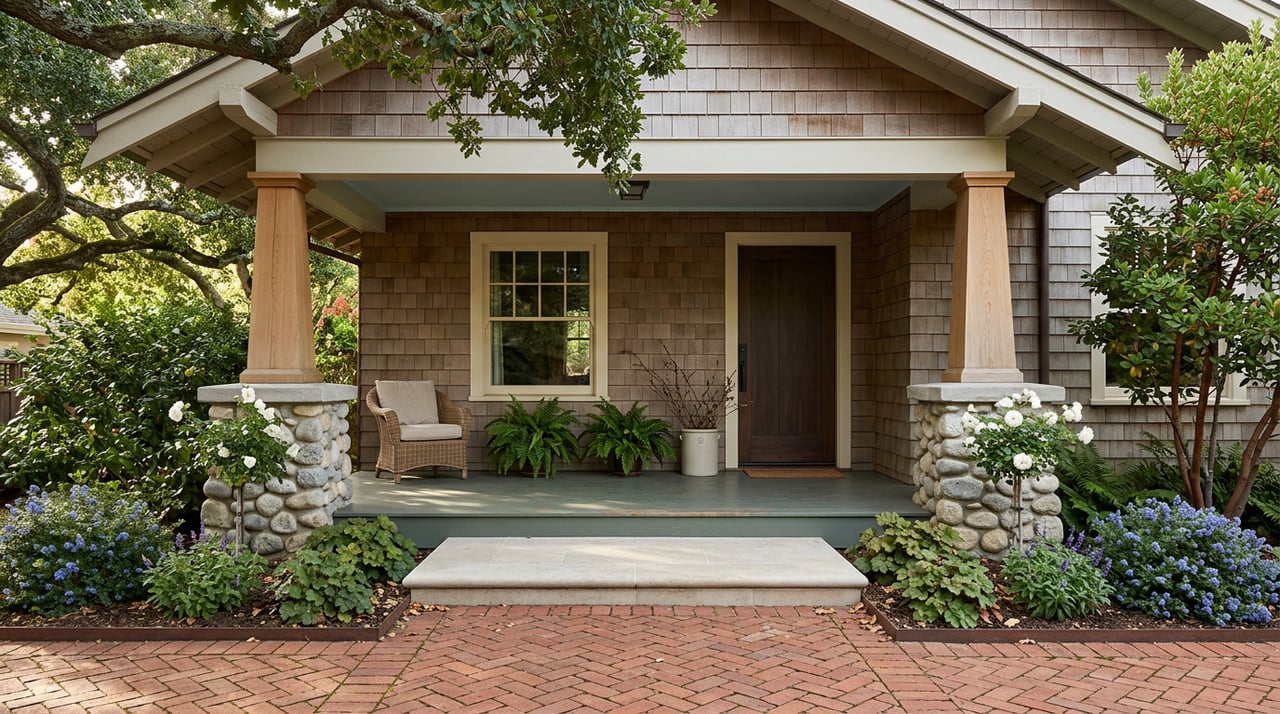
Exterior first impressions matter. The 2025 Remodeling Impact Report found strong cost recovery for projects like a new steel front door and a new fiberglass front door. These are relatively modest upgrades, but they can sharpen the home’s presentation before buyers even step inside.
Curb appeal improvements may also include simple cleanup, paint touch-ups, and making the entry feel cared for. You do not need to create a custom exterior design. You just want buyers to see a home that feels maintained and welcoming.
If the roof is near the end of its life or shows visible problems, it deserves serious attention before listing. Roofing is one of the projects most often recommended before a sale, and it also addresses one of the concerns buyers are likely to flag quickly.
In Cupertino, reroof work is not just a cosmetic matter. The city requires reroof projects to comply with California Building Codes and the Cupertino Municipal Code, and roof work triggers inspections. That means timing and compliance matter, so it is important to evaluate the scope early if roofing is on your list.
Visible maintenance issues can create doubt that spreads beyond the item itself. Problems like cracked or inoperable windows, aging siding, peeling paint, or plumbing concerns may cause buyers to wonder what else has been deferred.
Because Cupertino’s older housing stock is more likely to have these issues, addressing the most obvious ones before listing can help your home show better and inspect more cleanly. In many cases, removing red flags is more valuable than adding trendy finishes.
There are situations where a larger renovation makes sense. If your home has a serious functional problem, outdated condition that sharply lags nearby comparable homes, or a layout issue that buyers will discount heavily, a more substantial project may be justified.
This is especially true if the gap between your home and the competing inventory is obvious. If buyers can walk into nearby homes that feel significantly more updated at a similar price point, your home may need more than a light refresh to compete well.
A major remodel can also make sense if you have enough time to complete the work properly. That includes planning, contractor scheduling, permits, construction, inspections, and final closeout. If any part of that timeline is rushed, the project can create stress and reduce the payoff.
Large projects often bring more risk than sellers expect. In Cupertino, permitting rules, code requirements, and building review can affect timing. The city notes that the 2025 California Building Standards Code applies to permits filed on or after January 1, 2026, and while some smaller projects may qualify for over-the-counter plan review, larger jobs typically require more review.
Single-family homes also face building-envelope and setback rules for additions. So if you are thinking about expanding square footage or reworking the home in a major way, it is important to weigh the added time and complexity against the likely resale benefit.
This is why a big remodel is often the wrong move when the project is mostly about personal taste. If you are choosing finishes or layout changes that reflect your preferences rather than clear market expectations, you may spend a lot without materially improving your sale outcome.
Before you commit to any project, compare three things:
If the work is visible, modest, and likely to remove buyer objections, it is usually worth strong consideration. If it is expensive, highly customized, or likely to delay your listing, it deserves more scrutiny.
For many sellers, the smartest answer lands in the middle. You do not ignore the home’s condition, but you also do not assume a full renovation is required. Instead, you choose the smallest set of improvements that helps the home compete cleanly in its immediate Cupertino submarket.
If you do move forward with work, your contractor choices affect both cost and resale timing. The 2025 consumer guidance on hiring a remodeling contractor recommends interviewing at least three contractors, confirming they are licensed and insured, asking who will handle permits and approvals, and avoiding vague contracts or large upfront payments.
That advice is especially relevant when you are preparing for a sale. A project that runs over budget, stalls in permitting, or finishes late can undermine the whole listing strategy. Good planning is not separate from resale value. It is part of it.
In today’s Cupertino market, most sellers should start with a practical question: what will buyers notice right away, and what might make them hesitate? That usually points to cosmetic refreshes, front-entry improvements, roofing concerns, and visible maintenance items.
A full remodel can make sense in select cases, but it is rarely the automatic best move. In a market where homes already sell quickly and often above list, the better strategy is usually to present a home that feels clean, solid, and cared for, without overbuilding for the sale.
If you want help weighing remodel costs against likely market return, local comparable sales and timing matter. A neighborhood-specific strategy can help you avoid overspending while still positioning your Cupertino home to stand out. When you are ready to map out the right pre-sale plan, connect with Alexander Kalla.
Stay up to date on the latest real estate trends.





A global citizen with roots in five countries, this real estate professional leverages multilingual skills to build strong relationships and advocate for clients. Expect dedication and a worldly approach. Connect today to begin your real estate journey!

Alexander Kalla | CA DRE# 02125546
16780 LARK AVE, LOS GATOS, CA 95032