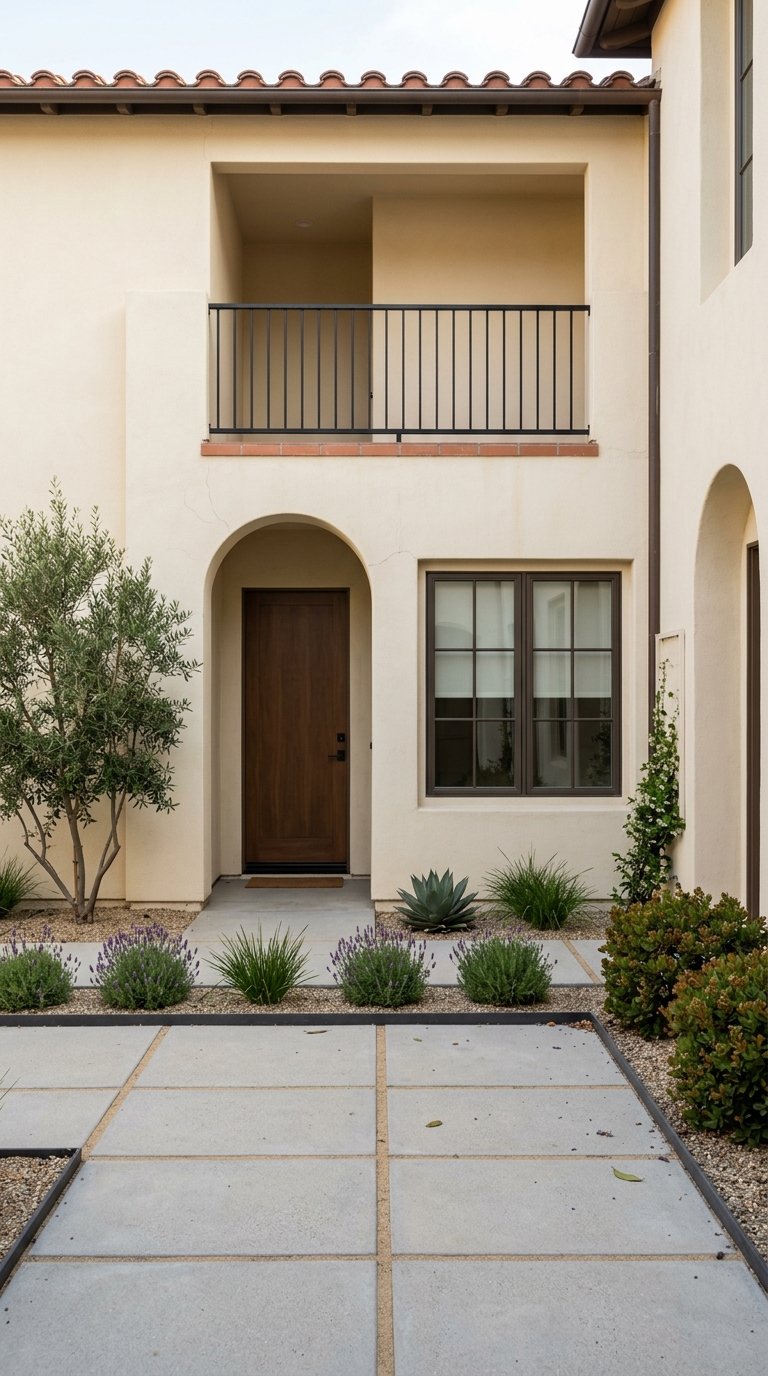
Downtown Los Altos Living: Condos, Cottages And Lifestyle
July 9, 2026
July 9, 2026
Looking for a downtown lifestyle in Los Altos without the footprint of a large estate property? That idea appeals to many buyers, especially if you want easier upkeep, a walkable daily routine, and close access to shops, dining, and civic spaces. Downtown Los Altos offers a distinct version of Peninsula living, and understanding the tradeoffs can help you decide if it fits your goals. Let’s dive in.
Downtown Los Altos is better understood as a village-style center than a dense urban district. The city describes Los Altos as tree-lined and small-village in character, and downtown reflects that identity with a mix of retail, restaurants, offices, personal services, and civic uses centered on Main and State Streets.
If you picture high-rise towers and packed city blocks, this is not that. Instead, you get a compact core designed to support walking, everyday errands, casual dining, and community gathering in a low-rise setting.
One of the biggest draws of downtown Los Altos is convenience. The area includes boutiques, cafés, restaurants, and public spaces that make it easier to step out for coffee, dinner, or a quick errand without planning your whole day around a drive.
Veterans Community Plaza at Main and State adds to that everyday rhythm. It functions as a central gathering space for small events and public use, while parklets help create a more active street edge and support outdoor dining.
Walkability matters here, but so does parking. Downtown Los Altos has about 1,400 free public parking spaces, with time limits on regulated spaces from 8 a.m. to 6 p.m. Monday through Saturday.
That balance shapes the experience. You can enjoy a pedestrian-friendly downtown, but it remains more car-accommodating than many traditional urban centers.
A lot of buyers search for downtown Los Altos expecting a broad range of condo and cottage options. In reality, Los Altos remains heavily oriented toward detached homes, with city housing data showing that 81.0% of the 2020 housing stock was single-family detached.
That makes attached and smaller-format homes feel more limited and more notable when they do come on the market. If you want a lower-maintenance option near downtown, your search will usually focus on condos, townhomes, older smaller homes, and a limited amount of multifamily housing.
For many buyers, condos offer the most direct path into downtown-adjacent living. They typically appeal to people who want less exterior upkeep, a more lock-and-leave lifestyle, and closer access to the downtown core.
Townhomes can offer a middle ground between a condo and a detached house. You may gain more interior space or a more home-like layout, while still giving up some of the lot size and yard area that come with traditional single-family housing.
The cottage part of the conversation needs a little context. The city does not treat cottages as a formal housing inventory category in the same way it tracks detached homes, attached homes, or multifamily buildings.
Instead, “cottage” is more of a market shorthand. In Los Altos, it often points to older, smaller homes that fit the area’s lower-scale residential feel, especially given that the city’s largest housing cohort was built between 1940 and 1959.
The city’s housing-needs report groups duplexes, triplexes, townhomes, cottage clusters, and ADUs under the broader idea of missing-middle housing. That matters because it helps explain the types of homes buyers may hope to find, even if the actual supply remains limited.
Citywide, 4.8% of housing was single-family attached in 2020, 2.2% was in multifamily buildings with 2 to 4 units, and 12.1% was in multifamily buildings with 5 or more units. So while these options do exist, they are still a smaller slice of the overall market.
Part of the answer is planning and preservation. The city’s framework allows for more residential intensity in mixed-use and downtown areas, and the housing element calls for rezoning mixed-use areas to make room for more apartments and condominiums.
At the same time, Los Altos continues to preserve the character of surrounding single-family neighborhoods through design review. Exterior alterations, additions, and new construction in single-family districts are subject to city review, which helps maintain the lower-rise feel many buyers notice near downtown.
This is why downtown Los Altos can feel both service-rich and supply-constrained at once. The core supports mixed uses and some added residential opportunity, but the broader city is still anchored by detached homes and established low-rise neighborhoods.
For buyers, that often means fewer choices in attached housing than you might find in larger Peninsula downtowns. It also helps explain why well-located smaller homes and condos can attract strong interest.
In Los Altos, the downtown decision is rarely about finding a bargain. It is more often about deciding what kind of lifestyle matters most to you.
If you buy closer to downtown, you are often prioritizing access, convenience, and lower-maintenance living over lot size, private yard space, and maximum square footage. That tradeoff defines much of the local market around the village core.
Los Altos is expensive across the board. As of May 31, 2026, Zillow reported an average home value of $4,651,182, and homes were going pending in around 10 days.
Redfin reported a citywide median sale price of $4.2 million over the last three months, along with a median sale price per square foot of $1.75K. For attached options, Redfin showed 21 condos for sale at a median listing price of $1.5 million and 15 townhouses for sale at a median listing price of $2.6 million.
Those numbers show that attached housing may be the lower-cost entry point, but it is still firmly in seven-figure territory. In other words, downtown Los Altos is not a budget alternative to the rest of the city.
What many buyers are paying for is a different living pattern. You may accept less land and a smaller footprint in exchange for a more connected day-to-day experience near dining, services, and public gathering spaces.
Downtown Los Altos can work well if you value simplicity and access. Buyers who want easier upkeep, a more walkable routine by suburban standards, and proximity to local amenities often find the area appealing.
It can also make sense if you are relocating and want a neighborhood that feels easy to learn quickly. A compact commercial center, civic uses, and two city library branches contribute to a setting that feels organized, established, and approachable.
Before you focus your search here, it helps to get clear on your priorities:
If most of those answers are yes, downtown Los Altos may be a strong fit.
Because inventory can be limited, it helps to compare homes through the lens of lifestyle, not just bedroom count. Two properties with similar prices may offer very different daily experiences depending on how close they are to Main Street, what kind of maintenance they require, and how much private outdoor space they include.
A focused search strategy matters here. If you are choosing between a condo, a townhome, or a smaller detached home near downtown, the right decision often comes down to how you want to live, not just what looks best on paper.
Downtown Los Altos stands out because it offers a rare mix: a compact, pedestrian-friendly village core in a premium, land-constrained market. If you want help weighing that tradeoff and identifying the right fit, Alexander Kalla can help you navigate Los Altos with a clear, data-informed strategy.
Stay up to date on the latest real estate trends.

A global citizen with roots in five countries, this real estate professional leverages multilingual skills to build strong relationships and advocate for clients. Expect dedication and a worldly approach. Connect today to begin your real estate journey!
Alexander Kalla | CA DRE# 02125546
16780 LARK AVE, LOS GATOS, CA 95032