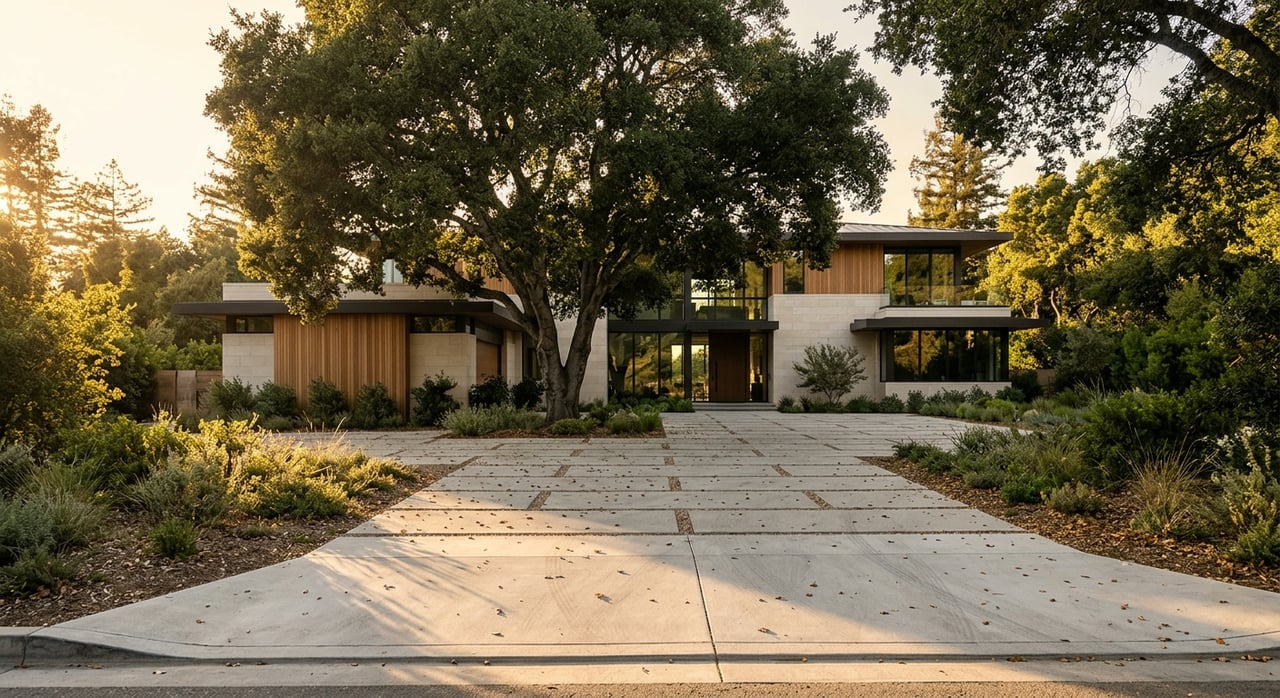
Why Atherton Luxury Real Estate Stands Apart
June 4, 2026
June 4, 2026
If you have looked at luxury real estate across the Peninsula, you may have noticed that Atherton feels different right away. It is not just about price. It is about privacy, space, and a town structure that has stayed intentionally residential for generations. If you want to understand why Atherton luxury homes stand out in Silicon Valley, the answer starts with how the town was built and how it still protects that character today. Let’s dive in.
Atherton stands out because it is a small, low-density town with a highly residential identity. The town covers about 5.02 square miles and has roughly 7,000 residents, with a population density of about 1,433 people per square mile. Census data also show an 87.6% owner-occupied housing rate, which supports its long-term, estate-oriented profile.
That low-density feel is not accidental. Atherton incorporated in 1923 specifically to remain a strictly residential area, and early residents wanted large parcels with no businesses. Today, the town still says there are no commercial zones and only two residential zones, which is a major reason homes here feel more secluded than in many nearby luxury markets.
In many Silicon Valley communities, luxury homes sit within a broader mix of commercial areas, denser housing, and more active development. Atherton is different because its land use remains mainly single-family residential and institutional, and the town says there is little vacant developable land. That limited room for growth helps preserve the town’s established estate character.
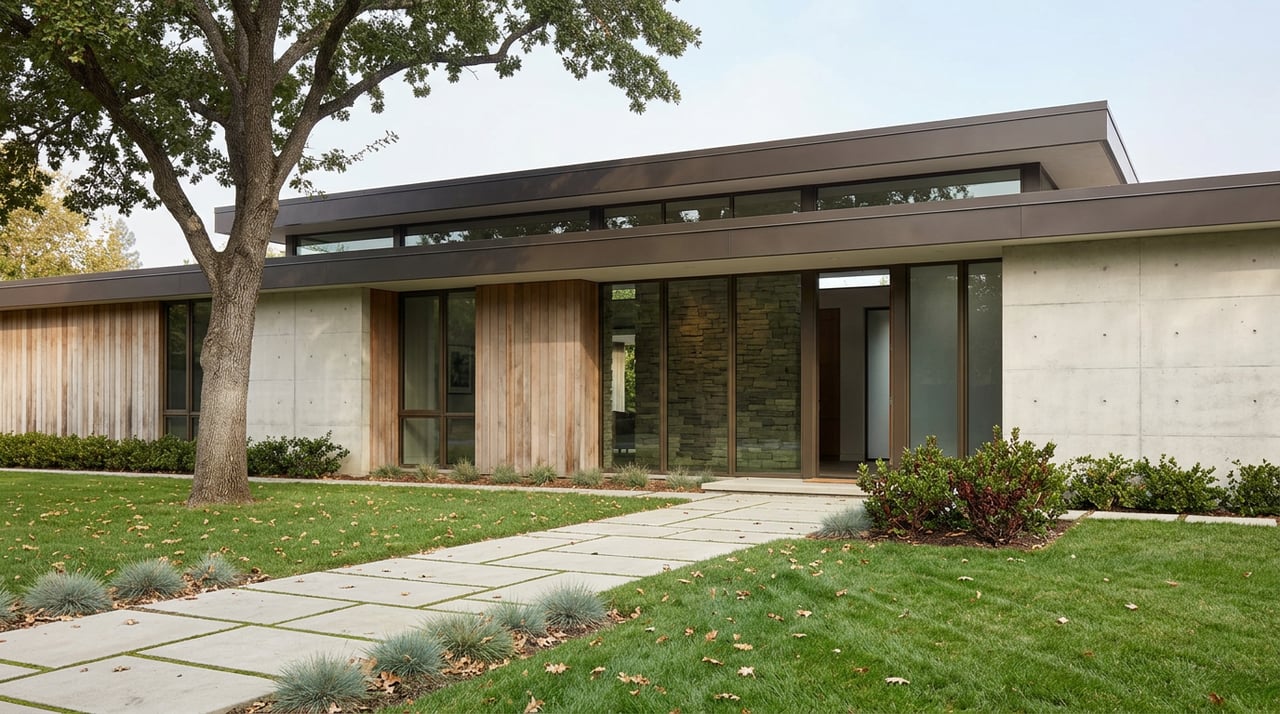
For you as a buyer or seller, this matters because the surrounding environment affects value just as much as the home itself. In Atherton, the setting is part of the appeal. The town’s tree-covered streets, roughly 50 miles of roads, and 22-acre Holbrook-Palmer Park all contribute to a calm, residential atmosphere that is hard to replicate elsewhere on the Peninsula.
One of the biggest reasons Atherton luxury homes stand out is zoning. The town has only two residential districts:
Those rules create space around homes that is increasingly rare in Silicon Valley. In the R-1A district, the zoning table shows one unit per parcel, 60-foot front and rear setbacks, a maximum height of 30 feet, and a floor area ratio of 0.18. Together, these standards shape a market where homes often feel more like private estates than typical suburban luxury properties.
Atherton’s standout reputation is not only about lot size. It is also about how the town manages the look and feel of residential development. Town materials note that house size depends on lot size and zoning district, and the town may adopt standards related to setbacks, architectural design, vehicular circulation, parking, privacy screening, and landscaping.
The town also maintains heritage-tree protections and tree-preservation permitting. When you combine large lots, meaningful setbacks, and tree protections, you get a built environment that naturally supports screening, separation, and a more private streetscape. That is a key reason Atherton homes often feel distinct from luxury properties in denser nearby cities.
Atherton is not just one of the Peninsula’s luxury markets. Based on current data, it is the highest-priced market in this comparison group by a wide margin. Over the three months ending April 2026, Redfin reports Atherton’s median sale price at $11.56 million, with 17 median days on market and 18 homes sold in April 2026.
Here is how that compares with other well-known luxury markets nearby:
| Market | Median Sale Price | Median Days on Market |
|---|---|---|
| Atherton | $11.56M | 17 |
| Hillsborough | $7.25M | 11 |
| Woodside | $5.77M | 14 |
| Los Altos Hills | $5.16M | 17 |
| Palo Alto | $3.48M | 12 |
| Menlo Park | $2.78M | 11 |
This pricing gap helps explain Atherton’s reputation. It operates in an ultra-luxury category where scarcity, lot size, and town-wide residential protections all support long-term value perception.
When buyers ask why Atherton is often more expensive than Palo Alto or Menlo Park, the answer comes down to a few structural factors. First, the town’s supply is constrained by low-density residential zoning and limited developable land. Second, the town’s rules continue to favor larger lots and strong design controls.
That combination creates a market with very limited inventory and a distinctive product type. You are not just buying square footage or a Silicon Valley address. In many cases, you are buying a specific level of privacy, land, and residential separation that is difficult to find elsewhere.
Atherton’s value story is also tied to location. The town sits on the San Francisco Peninsula between San Francisco and San Jose, and it is bordered by Redwood City and Woodside to the north and Menlo Park and East Palo Alto to the south. That puts Atherton close to major Peninsula employment and academic centers.
Stanford University’s primary address is in Stanford, California, and Meta identifies Menlo Park as an operating location. For professionals whose work is centered around Stanford, Menlo Park, Palo Alto, or the broader Peninsula corridor, Atherton can offer a residential base that combines access with a more secluded living environment.
Luxury real estate is never only about market data. It is also about how a place feels day to day. Atherton’s General Plan says the town seeks to preserve streets and highways as scenic routes, and the town’s housing materials emphasize protecting open spaces and trees, especially heritage trees.
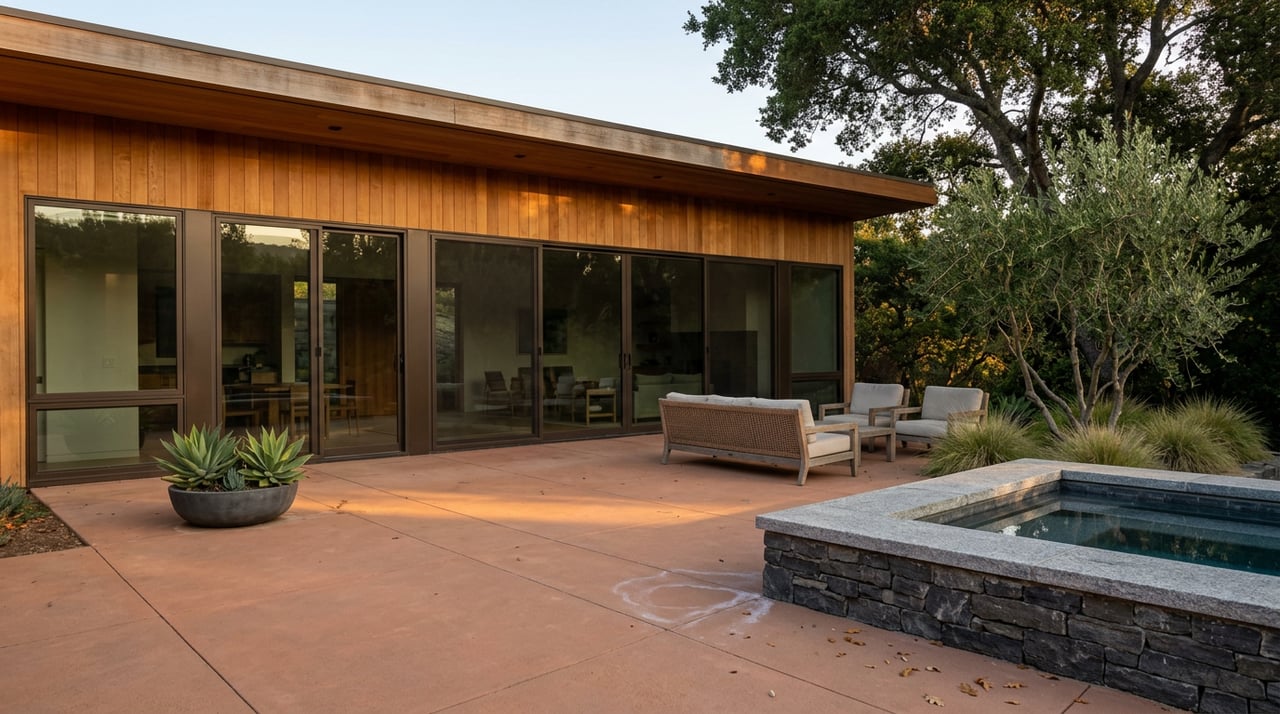
Those policies shape the lived experience of the town. Mature landscaping, scenic roadways, and an emphasis on open space contribute to the quiet, established feel that many luxury buyers are looking for. In Atherton, the landscape is part of the product.
If you are considering Atherton, it helps to understand what truly drives value here. In this market, details beyond the house itself often matter a great deal.
Pay close attention to:
For buyers relocating to the Peninsula or comparing Atherton with nearby luxury enclaves, a data-driven review of these factors can make your decision much clearer.
If you own a home in Atherton, the town’s uniqueness is a core part of your property’s market story. Buyers are often evaluating more than finishes and floor plans. They are also weighing privacy, lot configuration, landscape maturity, and the broader residential setting.
That means successful positioning should focus on the qualities that make Atherton stand apart in Silicon Valley. A consultative, market-informed strategy can help frame your home within the town’s ultra-luxury context rather than treating it like a standard Peninsula listing.
Atherton luxury homes stand out because the town itself stands apart. Its history, zoning, residential-only structure, limited developable land, and tree-focused policies all work together to support an estate-style environment that is rare in Silicon Valley. Add in a median sale price that leads this luxury comparison set, and the picture becomes clear.
If you are buying, selling, or relocating and want help evaluating Atherton with real local context, Alexander Kalla brings a data-driven, consultative approach across Silicon Valley and the Peninsula.
Stay up to date on the latest real estate trends.

A global citizen with roots in five countries, this real estate professional leverages multilingual skills to build strong relationships and advocate for clients. Expect dedication and a worldly approach. Connect today to begin your real estate journey!
Alexander Kalla | CA DRE# 02125546
16780 LARK AVE, LOS GATOS, CA 95032